 Like many people, I am currently teleworking five days a week due to the COVID-19 / coronavirus crisis. As this is an unprecedented situation, folks have been checking in on each other a little more than usual. This past week, when people have asked me how I’m doing, I tell them, I’M GOOD. To be honest, except for not seeing my granddaughter, I couldn’t be happier!
My office officially started all staff teleworking last Friday. I was on leave that day, so I didn’t feel anything out of the norm. I knew something was different, though, when I didn’t feel my usual Sunday night anxiety. Every Sunday night – unless I’m on vacation – I feel a lot of anxiety and I have insomnia. It never fails. This past Sunday, that didn’t happen. Somehow my mind and body knew that the next day was going to be different. No struggling to get myself together to leave in the morning. No commute. No stress. All was well.
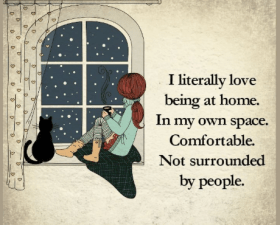
As a person with Major Depressive Disorder and anxiety who is also a strong introvert, self-isolation is nothing new for me. Of course I don’t usually do it because of a pandemic, but I’m definitely familiar with the concept. For better or worse, I’m built for this! As long as I have my bed, books, music, food and drinks, I think I’m going to do OK with this forced social distancing. People have asked me if it feels different because it’s not by choice. It really doesn’t feel different to me. At least not yet. Ask me again in a few weeks.
 I don’t take this comfort with my alone time for granted. I know there are many other people who are feeling extremely anxious about self isolating, being socially distant or being quarantined. I also don’t take for granted that I have a job that allows me to telework. There are several people who, unfortunately, have either lost their jobs or have to go to work and risk catching the virus because they can’t afford not to. There are people who are going to feel lonely because they look forward to socializing or being around others at work. On top of all of that, fear over the virus itself and the economic impact of it are enough to make anyone angsty.
 While most people are taking measures to protect their physical health (and the physical health of others;) we mustn’t forget about protecting our mental health as well. This crisis has created a perfect storm for stress, depression, anxiety, loneliness, and/or paranoia. Unfortunately, being isolated or quarantined in the home may also be a catalyst for an uptick in domestic, substance and/or child abuse. This is truly a crisis in more ways than one. If the coronavirus madness is negatively affecting your mental health, there are some tools and resources that may help. This is by no means an exhaustive list.
CONNECT WITH OTHERS:
TWITTER – Good for having real-time conversations and following hashtags for topics of interest
FACEBOOK – Good for finding and joining groups focused on certain topics. Any topic or hobby you can imagine, there’s a Facebook group for it. Groups like Therapy for Black Girls and NoStigmas Mental Health Allies can also be good support systems if you are NOT in a crisis situation.
WHATSAPP OR GOOGLE HANGOUTS – Good for catching up with family and friends via chat, phone or video chat. (You can also use FaceTime if you have yet to realize Android phones are better. 🙂 )
SLACK – Good for group communication, especially with co-workers.
*DISCLAIMER: If using social media does more harm to your mental health than good, please avoid. It is also not recommended to use social media in place of seeking professional help, especially during a crisis.
CALM YOUR MIND:
EMPLOYEE ASSISTANCE PROGRAM (EAP) – If your employer offers an employee assistance program, it can be a great source of information and resources. If you are not sure if your employer offers an EAP or do not know how to contact them, ask your Human Resources representative.
CALM is offering FREE resources for mental and emotional wellness including soothing sounds, meditations and exercises.
GROKKER is offering FREE yoga, fitness and cooking videos through April 30, 2020.
GET THERAPY:
TALKSPACE is increasing access to licensed therapists and providing free resources for both existing users and those who haven’t yet tried the service. They are also offering numerous resources for managing anxiety COVID-19 anxiety including a Facebook group.
OPENPATH has several therapists who are now offering online sessions.
MANAGE YOUR MENTAL HEALTH:
COVID-19 Lockdown Guide: How to Manage Anxiety and Isolation During Quarantine – ADAA
Coronavirus Resource Hub and Free Virus Assessment Survey Questions (CultureIQ)
How to Manage Your Coronavirus Anxiety (WSJ)
How to Self-Quarantine (NY Times)
6 Ways to Protect Yourself and Your Family from Anxiety About Coronavirus (Thrive Global)
Are you worried about Coronavirus? (Psychology Today)
Mental Health & Coping During COVID-19 – Manage Anxiety & Stress – CDC
Coping With Coronavirus: Managing Stress, Fear, and Anxiety – NIMH
Managing Depression and Anxiety During COVID-19
HAVE SOME FUN:
7 Things To Do While Self Isolating Without Self Sabotaging
19 Things to Do When You’re Stuck at Home During the Coronavirus Isolation Period
7 Things To Do While In Self Isolation
Top 10 Things To Do While You Self-Isolate
**IF YOU’RE EXPERIENCING A CRISIS**
If you are experiencing a mental health crisis, feeling unsafe, or feel like you are in danger of breaking your sobriety, please contact a professional.
Substance Abuse and Mental Health Services Administration (SAMHSA) National Helpline – 1−800−799−7233
National Domestic Violence Hotline– 1-800-799-SAFE (7233)
National Suicide Prevention Lifeline – 1-800-273-TALK (8255)
National Alliance on Mental Illness (NAMI) Helpline – 1 (800) 950 – 6264
ChildHelp National Child Abuse Hotline – 1 (800) 422 – 4453
Crisis Text Line – Text SHARE to 741741
Stay Safe. Stay Healthy. Wash Your Hands. Keep Your Distance. Rest. Be.
:max_bytes(150000):strip_icc()/improve-psychological-well-being-4177330_FINAL-5c454fd5c9e77c0001b32740.png)
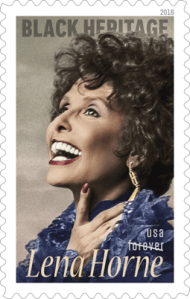 Black History Month has rolled back around. Gotta love it! It’s the time of year when we learn, or relearn, about great Black luminaries such as Carter G. Woodson, Madame C.J. Walker, Bayard Rustin or Fannie Lou Hamer. Children get to dress up as Malcolm X or Harriet Tubman for school presentations. For a full 28 days we are free to celebrate our greatness and can use hashtags like #BlackExcellence without receiving virtual side-eyes or comments like “but what about white excellence?” from all but the most blatantly racist folks. For the most part, folks can freely celebrate Black people and their contributions to society with minimal disruption. Icing on the cake – we got a Lena Horne postage stamp!
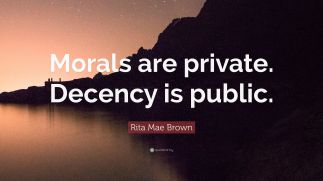 During these conversations I’ve heard many stories of “true colors” being shown by folks people considered friends or at least decent associates. It seems this past presidential election and the current White House inhabitant have made vile and divisive words and actions against the “other” (race, gender, physical ability, sexuality, you name it) more acceptable and folks are feeling free to let their bigotry flag fly. Nowhere does that flag fly higher than online where folks develop superhero levels of courage from behind the keyboard. What does this say about us as a society? What does it mean for us in the workplace? What does it mean for HR professionals? More pointedly, what impact do these beliefs, when held by HR professionals, have on the rest of us?
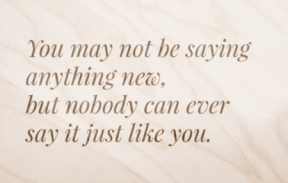 When I wrote a lifestyle blog there was less pressure to “inform.” I was just sharing my world and it was fun. However, in the realm of “professional blogs” I find myself wondering “Do I really need to add my voice to this? How many HR voices are too many? Nobody has time to read ALL the blogs; why would they read mine? Is it OK to sometimes just talk, not teach?” Yet when my friend said she wanted to write an HR blog just to vent, I told her every blog is different and everyone has a different point of view worth sharing. I realized I was talking to myself as much as I was talking to her.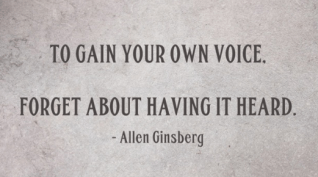
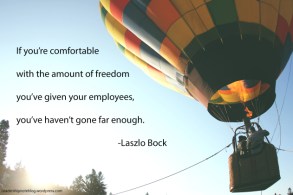 If you believe people are fundamentally good, you will treat them that way. (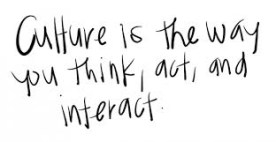
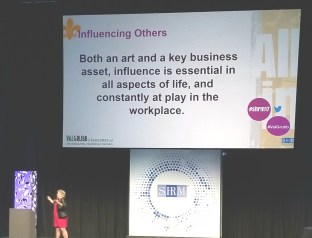 In her session, Influencing Others: 8 Steps to Get Results When You Don’t Have Direct Authority,
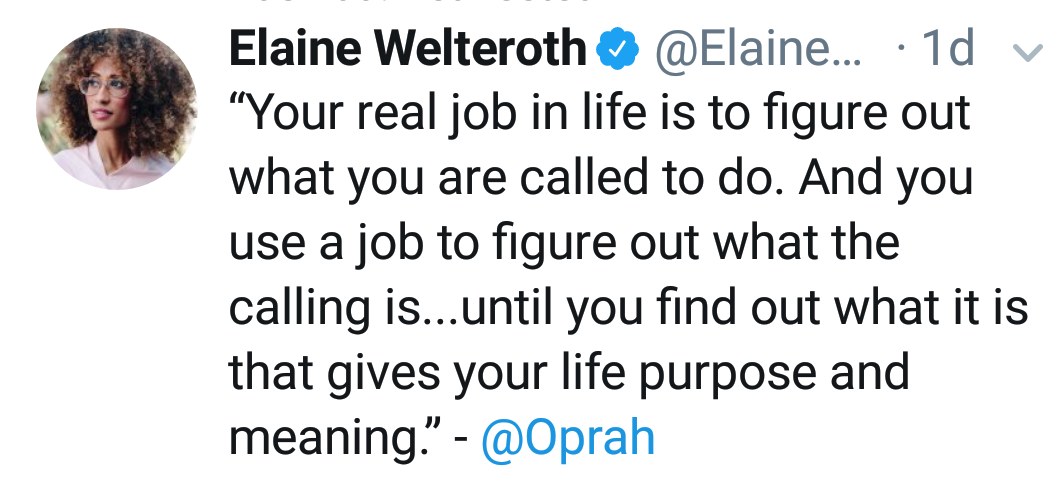
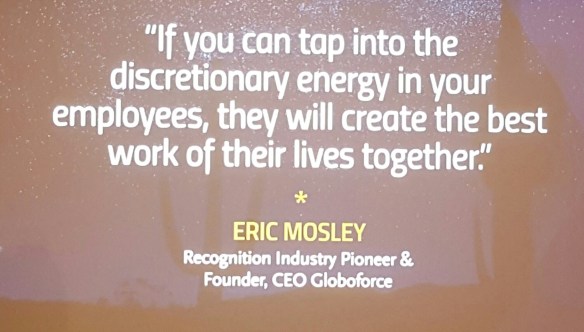
 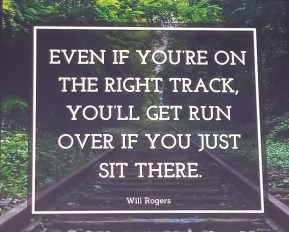 You probably guessed this quote came from
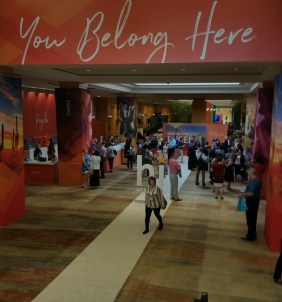 If you follow me on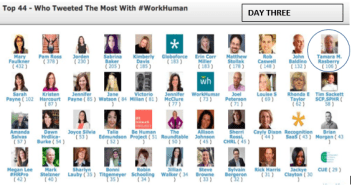

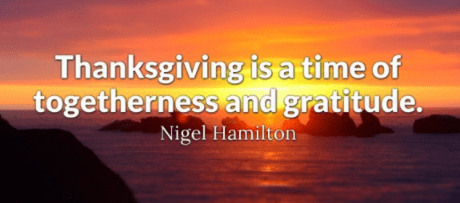
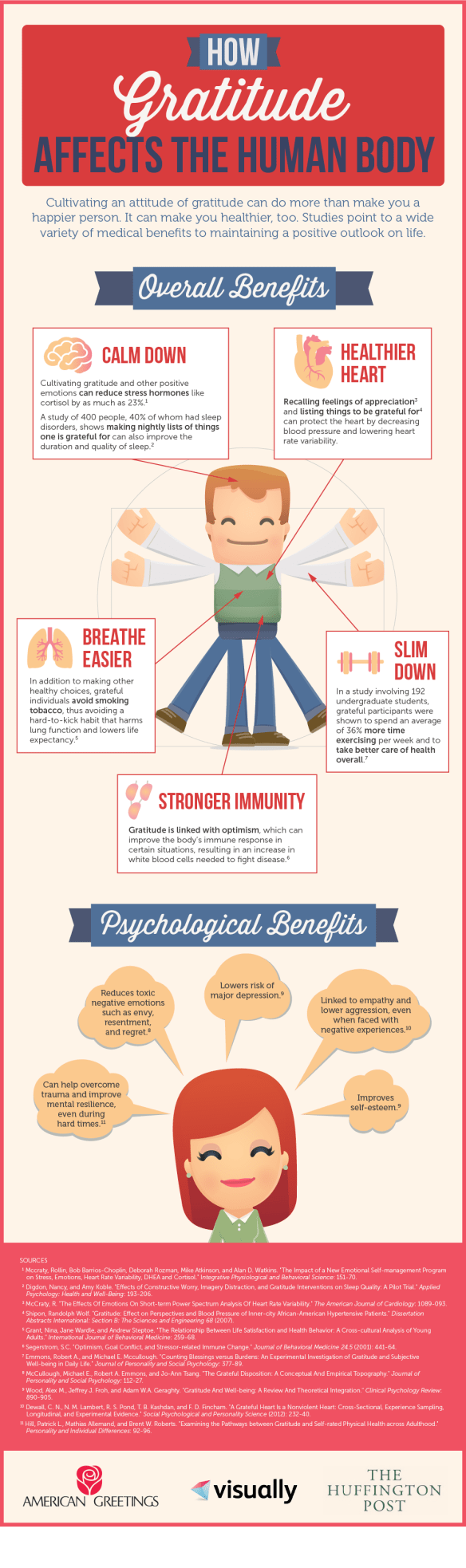
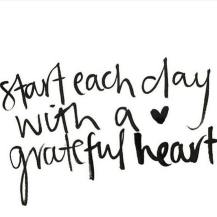 I have a wall hanging next to my bed that reads “Start Each Day with a Grateful Heart.” I placed this next to my bed so that I couldn’t help but see it every morning. It’s so easy to get caught up in the day-to-day drama of work, family and other responsibilities that we might forget to be grateful for our life experiences, relationships, lessons learned, skills & talents, etc.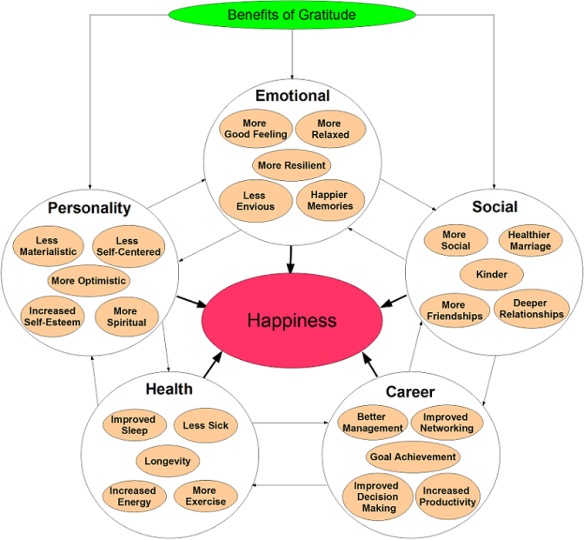
 RASBERRY CONSULTING, LLC