

This post references the 2018 SHRM Diversity & Inclusion Conference
Day One began with a keynote address from Brandon Stanton, creator of the wildly popular (it reaches 25 million people) blog, Humans of New York. I’m a fan of the site because I like hearing/reading people’s stories. Everyone has one. I care about people so it would follow that I care about their stories.
If you’re not familiar with Humans of New York, Brandon travels the world taking photos of people and on the site he shares those photos along with some part of their story. As he discussed how he is able to accomplish this, something he said really resonated with me as an HR professional. He said one of the questions he is often asked is “How do you get people to talk?” After all, these people do not know him, they have no previous relationship with him, yet they often share intimate details of their lives with him. His response – “I just ask.”
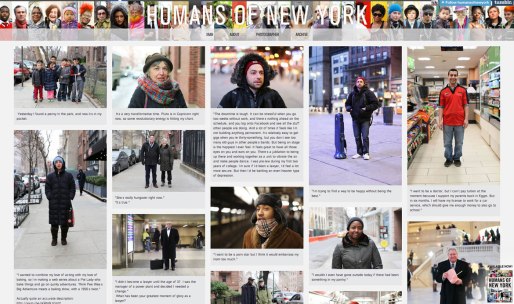
He followed up noting the importance of getting to a place where a person is examining and unpacking an emotional, impactful part of their life. It involves intent listening, asking follow-up questions and not thinking about himself or having an agenda. This reminded me of what HR professionals are charged with doing when an employee comes to us with an issue/concern. Before we can address the concern, we need to know what it is and what’s behind it. Just as Brandon does with his photo subjects, we need to listen intently and ask follow-up questions without having an agenda. We need to make the individual feel safe enough to share with us. Psychological safety is a key component of inclusion.
The first question Brandon usually asks a person is “What is your greatest struggle right now?” I immediately thought of how helpful it would be to HR professionals to know the answer to this question when speaking with an employee who has a concern. Actually, it would be good for us to know even if they aren’t having an issue. Understanding what people are experiencing is critical to developing and maintaining an inclusive culture. People are often reluctant to talk out of fear of being exposed; however, they will also have a deep appreciation for being listened to and having their concerns validated. At the end of the day, validation outweighs fear. Ask (with genuine concern) and you will probably receive the answer. People have an innate desire to be heard and understood. PRO TIP: Employees are people.
 Another comment that resonated with me was “The world is all about sharing right now; but we’re really not listening.” Between work life, home life, social life, social media, etc., the world is full of noise. Full of it. We hear a lot; but we actually listen to very little. This also relates directly to our roles in HR. On any given day we hear a lot of information and we have to make sure that we take the time to listen to what’s critical, particularly employee concerns and complaints. Not only do we need to listen but we need to ask the right questions, follow-up and check-in. We need to have open lines of communication. To do this effectively, we need to ensure people feel safe enough to be vulnerable.
“Safety is about intent; not content. Learn to monitor and manage safety and you can talk to anyone about anything.” – Emily Gregory, VitalSmarts

 The second session tugged more at the heartstrings than the purse strings. The speaker, Maria Arcocha White, started the session talking briefly about her experience growing up being teased because English is not her first language. She went on to discuss why we can’t stop at diversity but must focus on inclusion as well. In fact, her point of view is that the only way to get to true diversity in an organization is by starting with inclusion. Arcocha White gave us a bit of a history lesson on how organizational culture has evolved over time and explained how focusing on individuality is the first step in building the trust required to have genuine conversations.
 Not related directly to sessions but I also had some really great conversations with vendors in the expo hall about the importance of employee happiness, being a straight ally and recruiting people with disabilities. All in all day one was a success. I expect nothing less from day two.
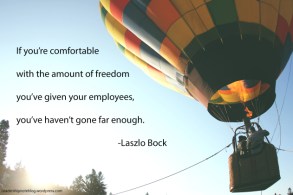 If you believe people are fundamentally good, you will treat them that way. (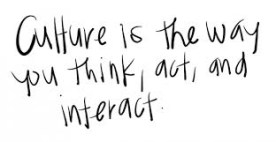
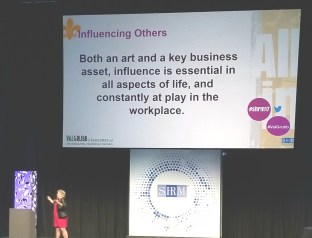 In her session, Influencing Others: 8 Steps to Get Results When You Don’t Have Direct Authority,
 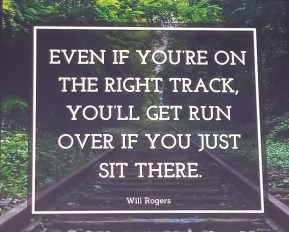 You probably guessed this quote came from
 If you follow me on
 RASBERRY CONSULTING, LLC